1
2
3
4
5
6
7
8
9
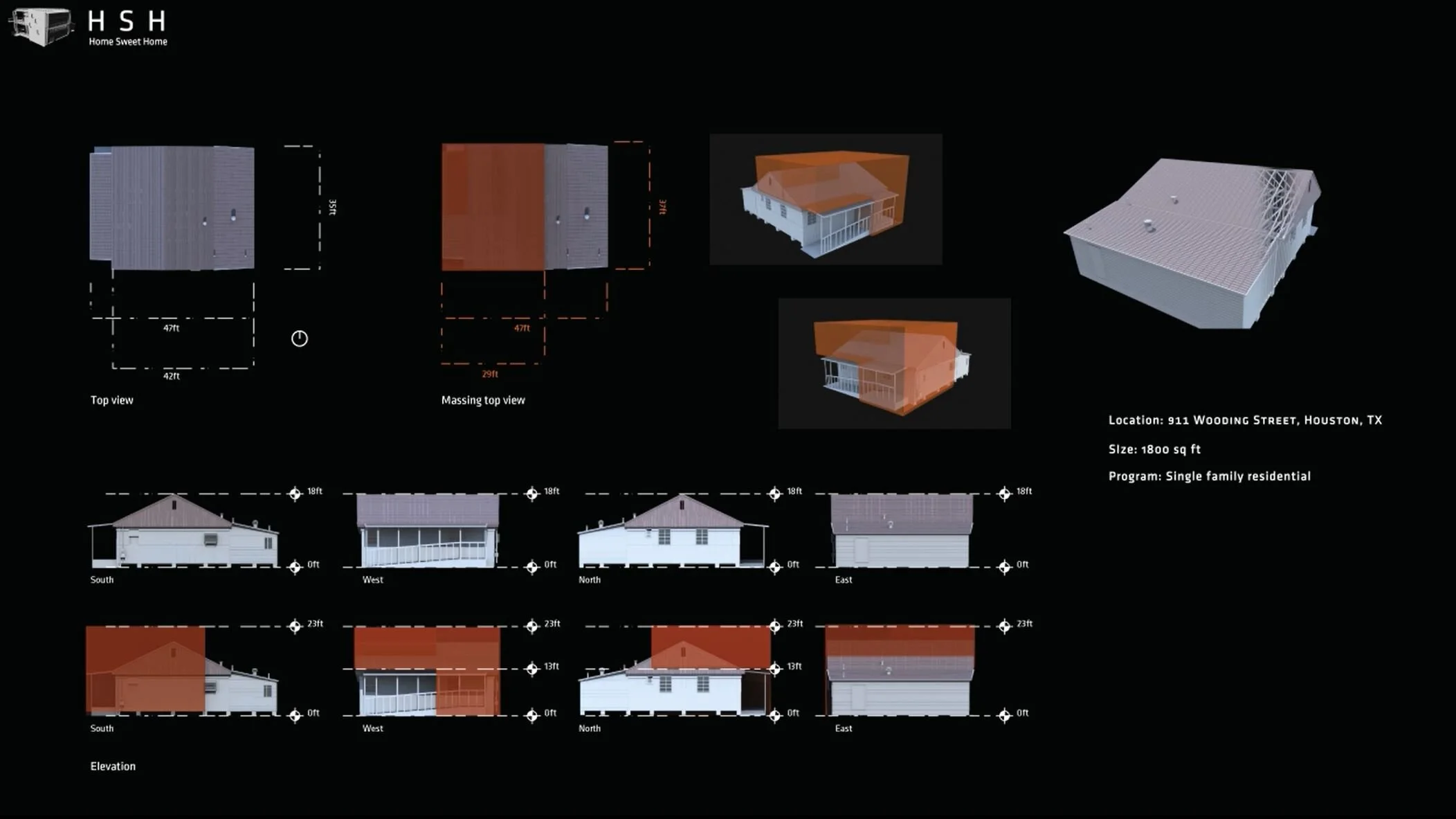
I see current suburban housing as being inefficient, both in regards to energy use and space planning. Therefore I have been condensed the typical suburban sprawl into smaller clusters that allows better use of resources and is more suited to their local environment. In this case, Houston, TX.
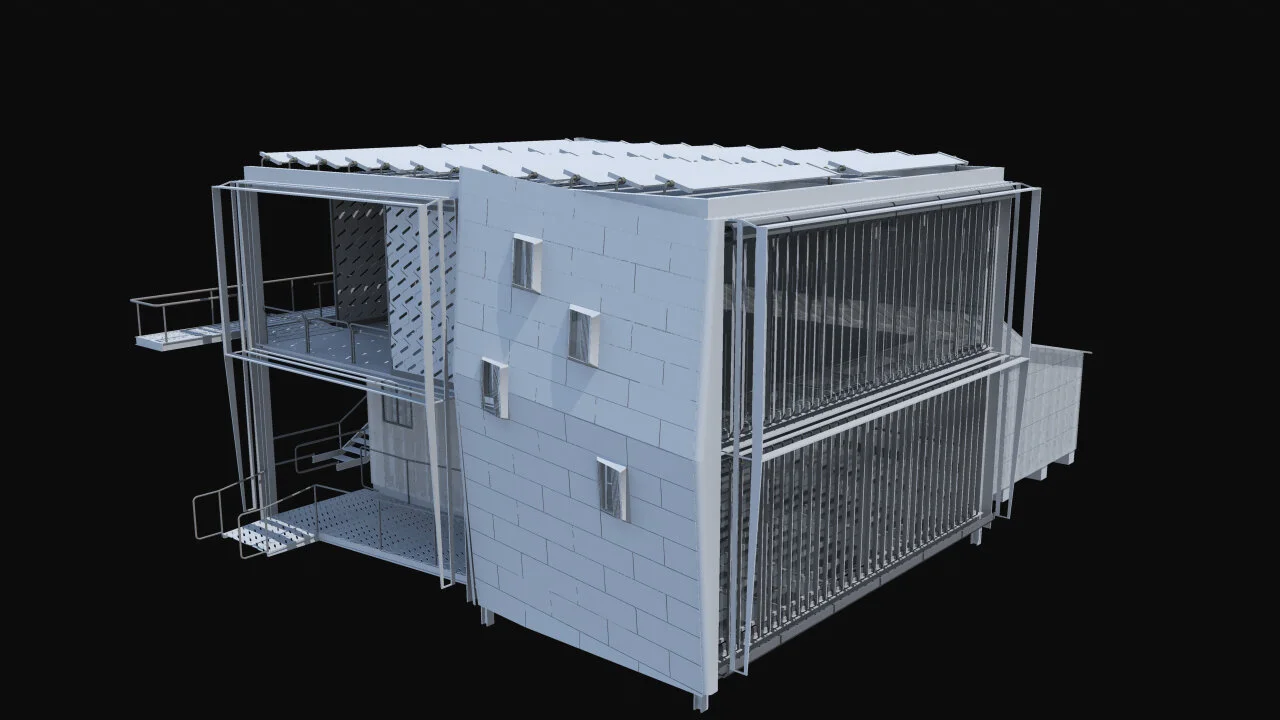
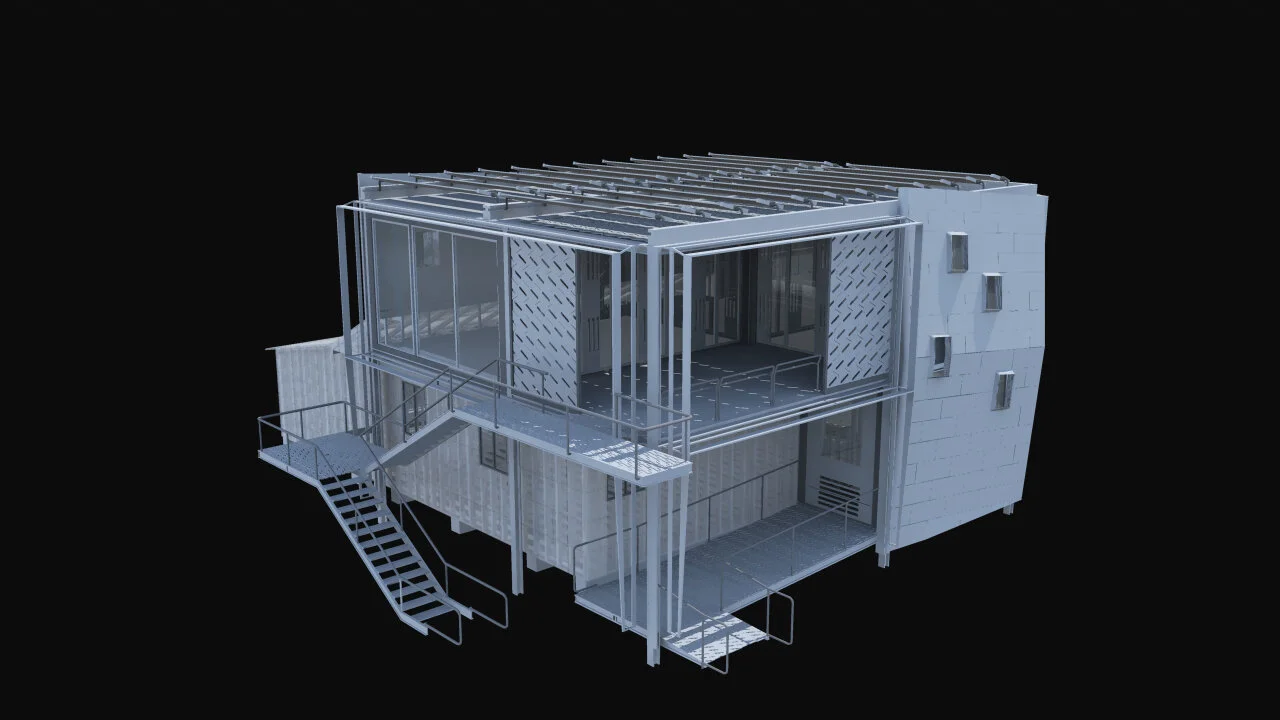
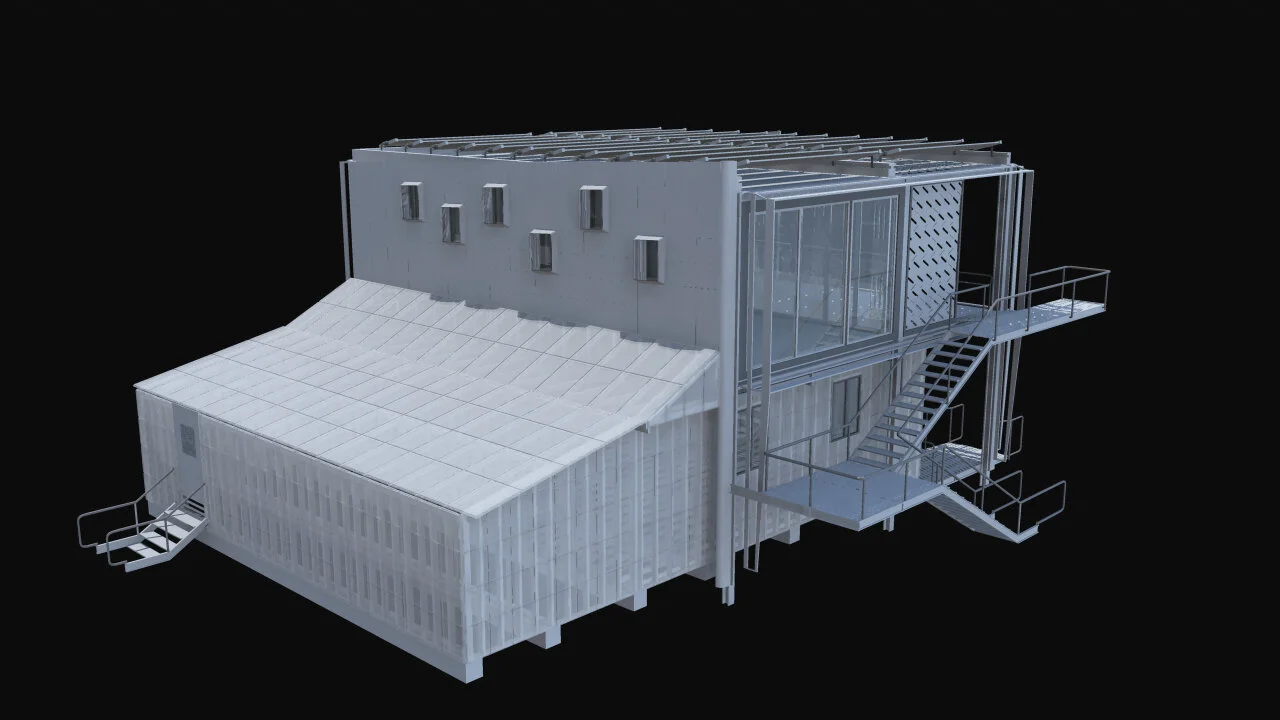
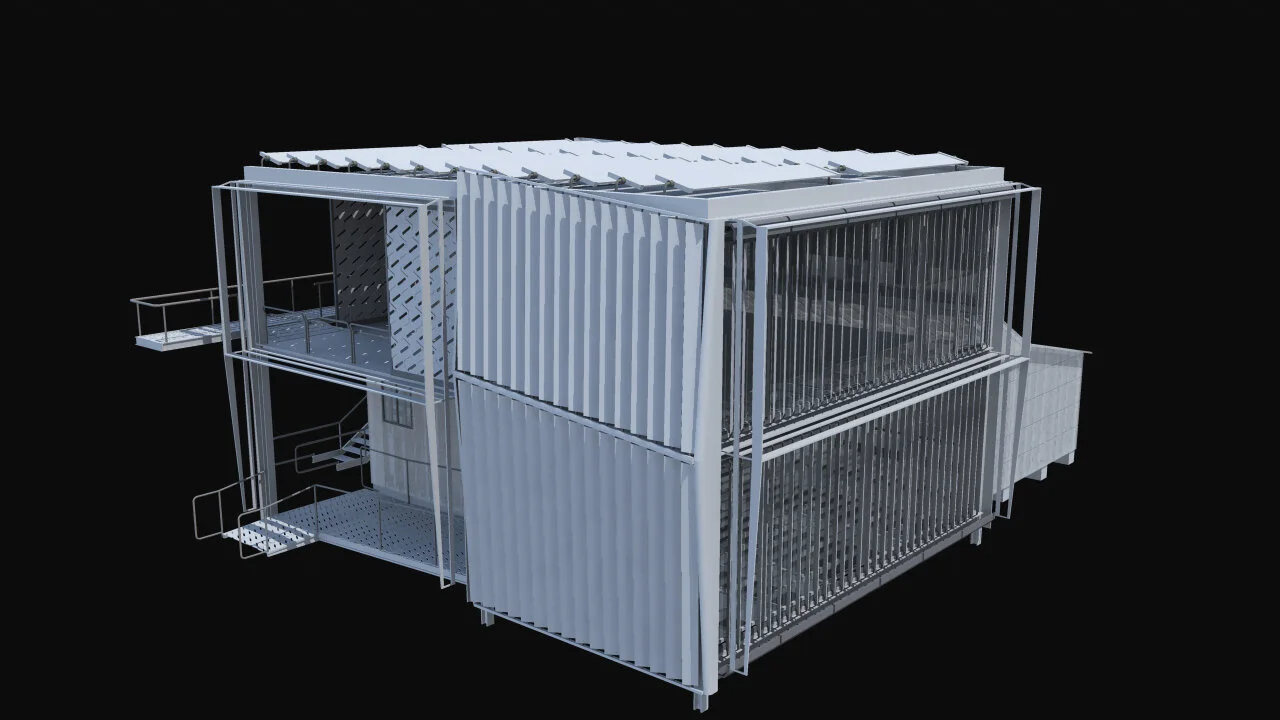
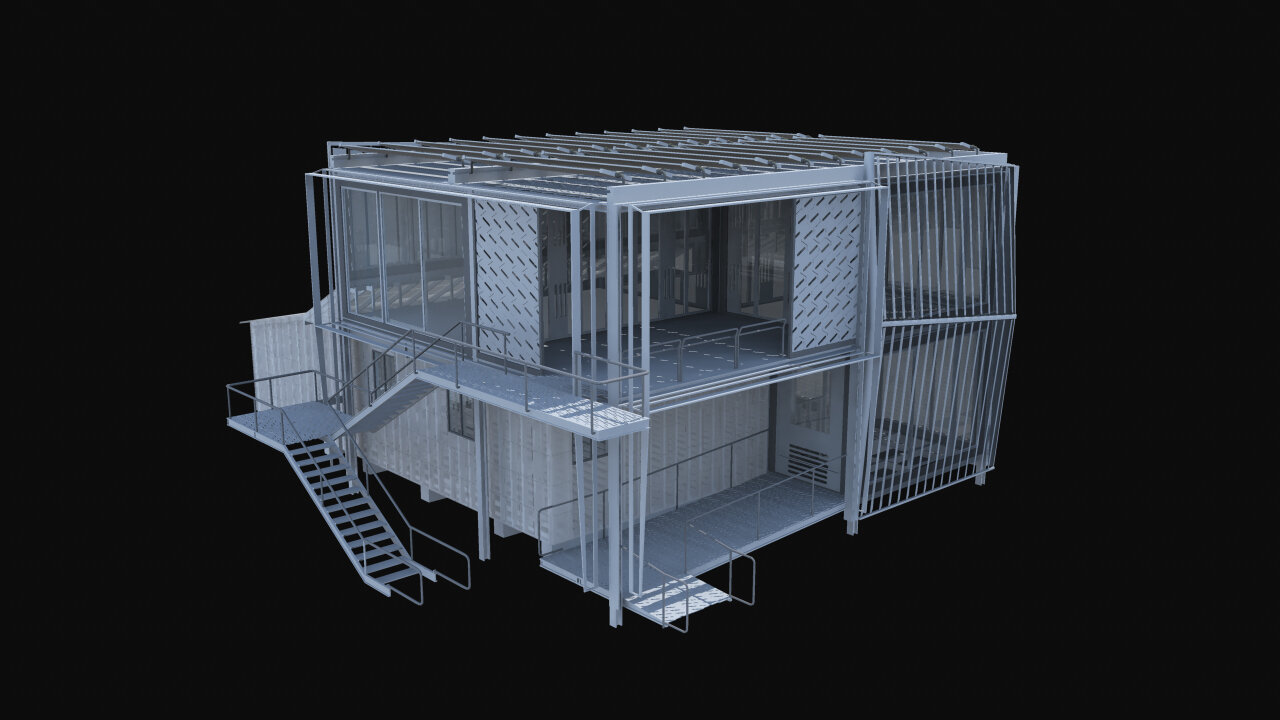
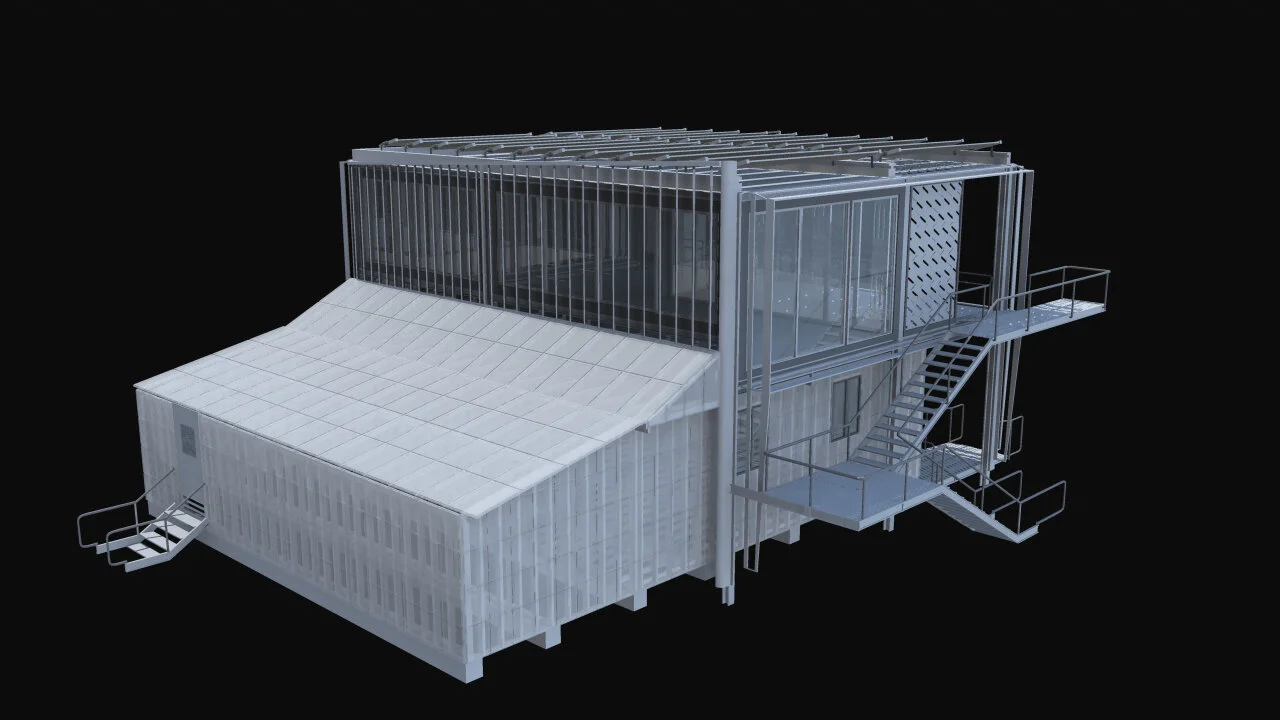
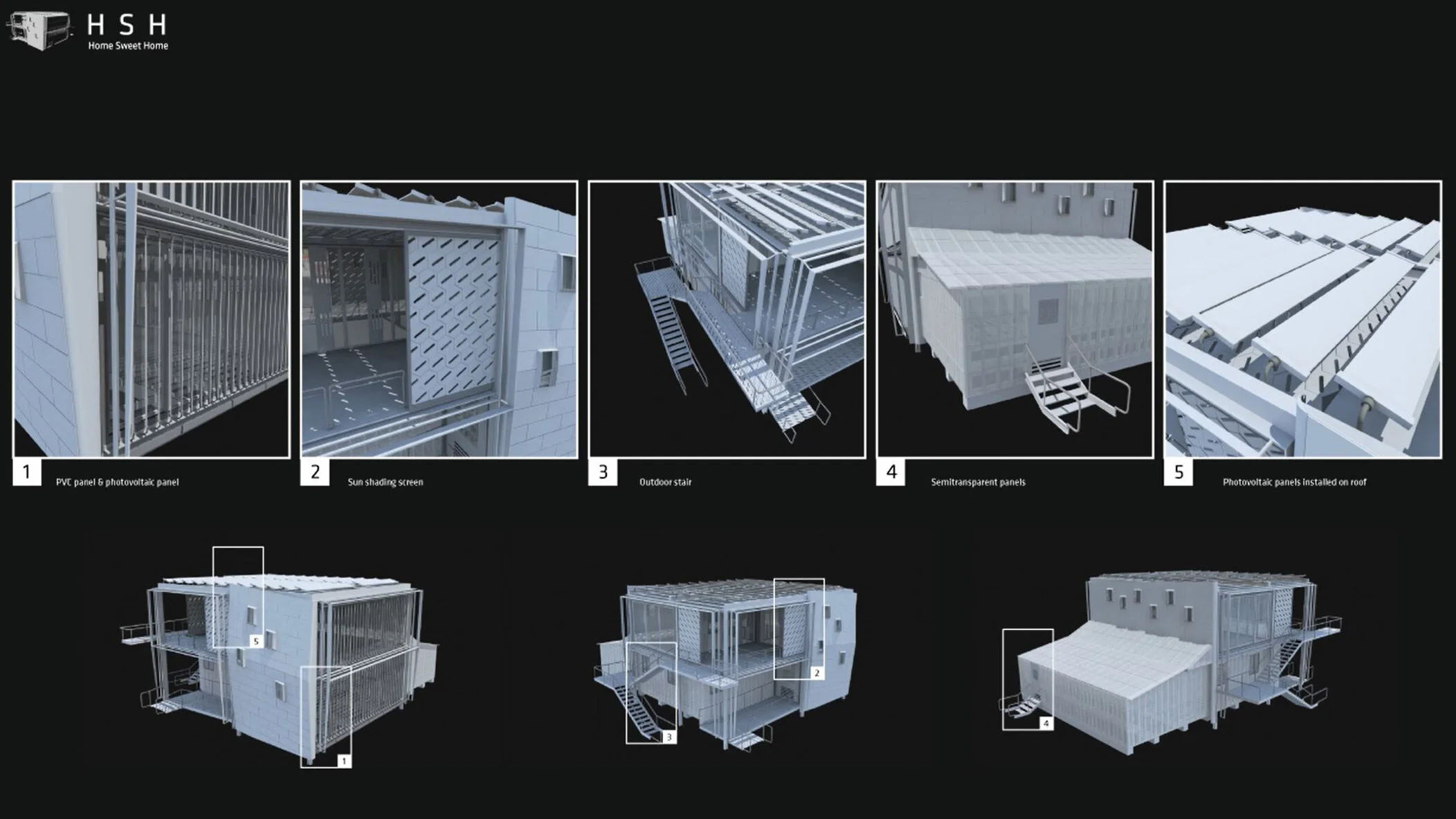
By clustering the homes, I’m able to strategically cover under one solar “umbrella”, which in the Texas sun both saves energy and generates energy. The shade provided keeps homes out of the strong midday sun, keeping them cool. The structure’s solar panels then generate energy, supplemented by additional wind powered turbines, that is returned to the units below. The result is a suburban block of power generation and power use that is attuned to seasonal need.
Programmatically, the shade structure also alters the traditional use of the “backyard”. Whereas typically during the summer, the outside temperatures remain so hot as to be unbearable, the backyard is an unusable space for most of the day. By re-configuring the units underneath the structure, open space is created that is both cool and airy, allowing residents outside space usable all year long. The densification of units therefore creates more usable open space than if each unit was spread out as in traditional suburban planning.
Ultimately, the relationship explored in this thesis between liveable space and energy space is one that can be adapted to a variety of climates and that may one day change how the suburb is viewed as a place of waste to a place of renewal.